



WhatsApp has announced a new set of account security features designed to give users stronger protection against account takeovers, suspicious calls and unauthorised access.
The Meta-owned messaging platform said the updates are part of its ongoing efforts to keep users’ conversations and accounts secure, building on its default end-to-end encryption.
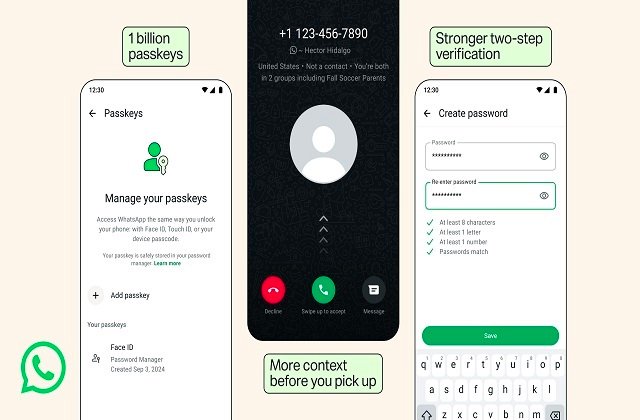
One of the key changes is an upgrade to WhatsApp’s two-step verification system. Previously, users were required to create a six-digit PIN as an additional layer of protection against account takeover.
Under the new system, WhatsApp is introducing support for a full password that can be longer, contain letters and numbers, and include special characters, making it more difficult for attackers to guess.
The company said the enhanced protection is particularly important in situations where a malicious actor may have obtained a user’s one-time verification code.
More information on calls from unknown numbers
WhatsApp is also giving users additional context when they receive calls from people who are not saved in their contacts.
On Android devices, users will now be able to see information about an unknown caller, including whether the number originates from another country and whether the caller shares any WhatsApp groups with them.
According to the company, the additional information is intended to help users make more informed decisions before answering calls, particularly as scammers often attempt to exploit urgency to manipulate their targets.
Passkeys gain wider adoption
WhatsApp also revealed that more than one billion people have set up passkeys on the platform.
Passkeys allow users to authenticate their WhatsApp accounts using existing device security mechanisms such as a fingerprint, Face ID or a device’s screen-lock code, eliminating the need to enter traditional verification codes or PINs.
The company said users who operate both Android and iOS devices can now add more than one passkey to their WhatsApp account.
Users can set up or manage passkeys by navigating to Settings > Account > Passkeys within WhatsApp.
WhatsApp said it would continue developing security tools aimed at giving users greater control over their accounts and strengthening protection against emerging security threats.