



The National Information Technology Development Agency (NITDA) has disclosed that 252 organisations have collectively trained approximately 2.77 million Nigerians in digital skills between 2023 and date, underscoring growing efforts to build a digitally competent workforce across the country.
The agency said the interventions, captured through its National Digital Literacy Dashboard, covered all 774 local government areas and 14,664 communities, providing a clearer picture of the reach of digital skills development initiatives nationwide.
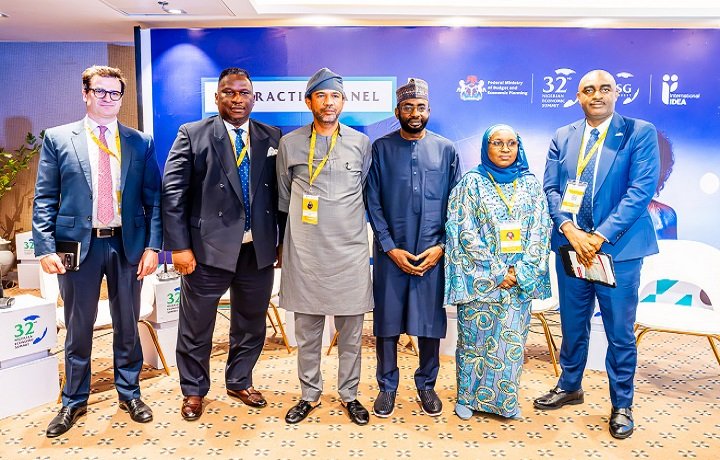
NITDA Director-General, Kashifu Inuwa, disclosed this while speaking as a discussant at the MTN Breakfast Session, themed “When Transnationals Invest”, during the Nigerian Economic Summit (NES32) in Abuja.
He identified the need for stronger collaboration among industry players, academic institutions and innovation ecosystem stakeholders as critical to bridging Nigeria’s digital skills gap, improving workforce productivity and translating digital literacy into sustainable economic growth.
Inuwa stressed that Nigeria could not effectively address its digital skills deficit through isolated interventions, insisting that a coordinated national approach was necessary to align education and training with the changing demands of the labour market.
He warned that the persistent disconnect between academic institutions, industry players and the innovation ecosystem continued to undermine efforts to produce a workforce equipped with relevant skills to meet the country’s evolving economic and technological needs.
According to him, although academic institutions remain central to human capital development, their training programmes and graduate output must reflect the practical requirements of industry to ensure that graduates are equipped with relevant, applicable and market-ready competencies.
“Our human capital is our greatest national resource,” he said, emphasising the need to align education and skills development with industry requirements.
The NITDA boss explained that the agency’s digital literacy mandate was not aimed at turning every Nigerian into an IT professional but at equipping citizens with essential digital competencies to improve how they work, enhance productivity and expand economic opportunities.
To achieve this, he said NITDA developed the National Digital Literacy Framework, which targets 95 per cent digital literacy by 2030, with an interim target of 70 per cent by 2027, in line with President Bola Ahmed Tinubu’s directive.
Inuwa noted that attaining the targets would require sustained commitment and collaboration across sectors, prompting the agency to introduce the Digital Literacy for All initiative as a nationwide intervention for expanding access to digital skills through multiple channels.
A major component of the initiative is the integration of digital literacy into formal education. He disclosed that NITDA had partnered with Nasarawa State University and Cisco to develop learning content based on the National Digital Literacy Framework.
The framework is structured around six competency areas and three proficiency levels: basic, intermediate and advanced. He added that the agency was reviewing the framework to incorporate artificial intelligence literacy in response to emerging technological developments and changing skills requirements.
As part of efforts to institutionalise digital competencies in the education system, Nasarawa State University has already integrated digital literacy into its General Studies curriculum, making the subject compulsory for students.
Beyond curriculum development and training, Inuwa said NITDA was strengthening coordination, transparency and accountability through its National Digital Literacy Dashboard, which provides a platform for tracking interventions and monitoring the contributions of organisations involved in digital skills development.
He identified Cisco as the leading contributor to the reported training figures, disclosing that its educational platforms had facilitated the training of more than 1.073 million Nigerians.
The director-general called on organisations implementing digital literacy programmes, including those operating through foundations and corporate social responsibility initiatives, to regularly upload their activities to the dashboard.
He explained that comprehensive reporting would help eliminate duplication of efforts, improve coordination among stakeholders and provide valuable information for identifying underserved communities requiring targeted interventions.
Inuwa further emphasised that the success of Nigeria’s digital literacy drive should not be measured solely by the number of people trained but by the extent to which acquired competencies translate into improved productivity, employability and economic prosperity.
He therefore urged industry stakeholders, educational institutions, innovators and other partners to work together in identifying emerging workforce requirements and ensuring that training programmes are designed to meet those needs.
He maintained that a coordinated digital skills ecosystem, supported by common standards, reliable data and shared national objectives, would be essential to developing a digitally capable population and maximising the contribution of technology to Nigeria’s economic development.