



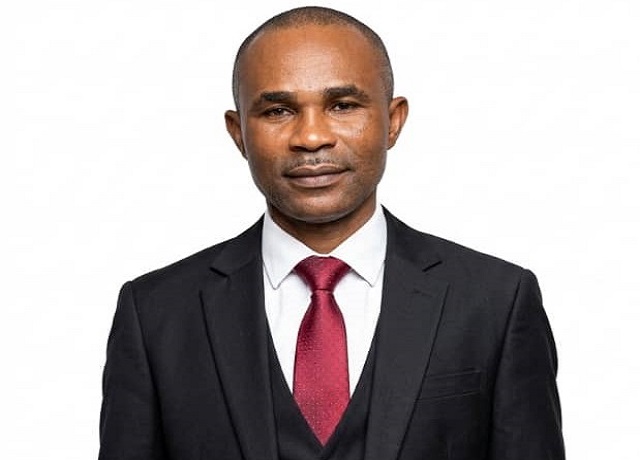
By Stanley Ugwubujoh
In 2025, sub-Saharan Africa has around 33 million smallholder households, each farming less than two hectares. Together they produce up to 90% of the region’s food, yet capture less than 10% of the value that flows from those crops. Agriculture still contributes 15–17% of GDP and employs nearly half the workforce, but most smallholders lack reliable access to finance, markets, and timely information. The paradox is clear: they feed the continent, but remain among its poorest.
Nigeria illustrates this paradox vividly. With more than 70% of its labour force engaged in agriculture, smallholders dominate the production of staples like cassava, maize, and rice. Yet despite bumper harvests, rural poverty remains stubbornly high. Farmers often sell at low prices to middlemen, with little bargaining power and no visibility of market trends. The Nigerian case shows that better harvests alone cannot lift smallholders out of poverty without systemic change.
The Harvest Trap
A strong harvest rarely translates into a stronger life. After planting, tending, and harvesting, farmers often sell at whatever price the first buyer offers, unable to compare markets or negotiate. Reliance on cash transactions, informal credit, and word‑of‑mouth advice leaves them vulnerable to storage losses, price dumping, and sudden shocks such as floods or droughts. Better seeds and yields alone mean more produce, but not necessarily more income. In Nigeria, post‑harvest losses are estimated at 30–40% for perishable crops, a staggering waste that erodes farmer incomes and national food security.
Better Information, Better Decisions
Digital products can change this equation. Mobile‑based advisory services, weather alerts, and soil‑health tips are helping farmers adjust planting dates, reduce fertiliser overuse, and choose more suitable crops. Where well‑designed, these tools have delivered 20–25% yield increases in certain cereals, alongside lower input costs and higher profitability.
In Nigeria, platforms like FarmCrowdy and Hello Tractor are experimenting with mobile solutions that give farmers access to mechanisation, advisory services, and even investors. The bottleneck is reached: too few farmers receive tailored, affordable, and easy‑to‑use services in their own language and on basic phones.
Finance, Insurance, and Risk
Risk defines smallholder life. Many borrow from informal lenders at high interest and lack insurance against drought, pests, or price drops. Digital financial platforms linking farmers to mobile money, credit, and index‑based insurance could transform resilience. Yet most products are not designed for irregular incomes or low data literacy, and women and remote‑area farmers remain excluded. In Nigeria, despite the rapid growth of mobile money, rural penetration lags behind urban areas. Farmers in states like Benue or Kaduna often remain outside the digital finance ecosystem, leaving them exposed to shocks without safety nets.
Markets That Work for Farmers
Digital platforms are beginning to connect smallholders to aggregators, supermarkets, and export channels, enabling access to higher‑value crops and longer‑term contracts. In West Africa, initiatives like Twiga Foods in Kenya and ThriveAgric in Nigeria are shortening the distance between farmers and buyers. However, these platforms often favour farmers with smartphones and internet access.
Truly inclusive digital products must meet farmers where they are—through USSD, voice‑based services, and offline‑first apps—rather than expecting them to adapt to Silicon‑Valley‑style interfaces. For Nigeria’s millions of farmers using basic phones, this design choice is not optional; it is essential.
Designing for Dignity, Not Just Data
The lesson is simple: improving harvests matters, but improving the digital ecosystem around smallholders matters more. Digital products must be reliable, affordable, and trusted. Governments, fintech firms, and development partners must treat farmers as customers with agency, not passive recipients of a “better” harvest. In Nigeria and across Africa, better digital products are not a luxury; they are the real infrastructure of a fairer food system.
If Africa’s smallholder farmers are to escape poverty at scale, the continent must invest not only in seeds and soil, but in the digital bridges that connect farmers to markets, finance, and knowledge. Only then will the people who feed Africa begin to reap the full value of their labour.
Stanley Ugwubujoh is a Data Analytics Manager and Tech Coach driving data strategy and machine learning solutions across agri-tech and fintech, while expanding Noblex Initiatives to make STEM education more accessible to young learners.
